Aircrew Parachute Harness/Pack – Vulcan & Victor Crew Seats: Military Aviation Safety Equipment
Aircrew Parachute Harness/Pack – Vulcan & Victor Crew Seats: Military Aviation Safety Equipment
Blog Article
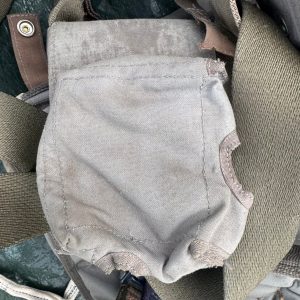
The Aircrew Parachute Harness/Pack – Vulcan & Victor Crew Seats offers collectors, restoration specialists, museums, aviation historians, and qualified equipment professionals a distinctive example of military flight safety equipment.
An Aviation Parachute Harness may form part of military, training, experimental, aerobatic, or historic aviation equipment, while a Pilot Parachute Harness requires professional assessment before any operational consideration.
Every Aircraft Emergency Parachute Harness, Aircrew Safety Harness, Flight Crew Parachute Harness, Emergency Parachute Harness, or Military Aircrew Harness requires individual inspection because age, storage, wear, and modification can affect condition.
The Aviation Emergency Escape Harness, Parachute Harness Assembly, Aircraft Crew Safety Equipment, Aircrew Emergency Equipment, and Pilot Emergency Parachute System form part of a broader aviation safety category.
The Aviation Safety Harness may have historical value, while the Flight Parachute Harness and Aircraft Parachute Equipment should be assessed by qualified specialists before any safety-related use.
Understanding the Vulcan and Victor Aircrew Harness/Pack
The offered harness and pack should be identified through visible labels, part numbers, contract markings, manufacturer information, dates, inspection stamps, and known aircraft-seat relationships.
Photographs should show the front, rear, sides, webbing, buckles, attachment points, pack, labels, stitching, hardware, and areas of wear.
Parachute Harness Webbing and Hardware
Webbing can deteriorate through age, ultraviolet exposure, chemicals, moisture, abrasion, mildew, heat, repeated loading, and unsuitable storage.
Repairs should not be assumed acceptable merely because they appear neat or use similar-colored material.
Evaluating Harness Size and Fit
A Pilot Parachute Harness should correspond with the wearer, clothing, seat arrangement, parachute pack, attachment system, and intended operating configuration.
Buckles and adjusters should move without excessive force, binding, corrosion, cracking, deformation, or damage to adjacent webbing.
Understanding Emergency Parachute Attachment
Operational claims should never be made without current specialist inspection and applicable documentation.
The relationship between each fitting and its surrounding webbing should remain visible for inspection.
Maintaining Aircrew Harness Equipment
Accurate identification supports museum displays, restorations, archival records, and specialist collections.
Historic harnesses should be stored away from direct sunlight, moisture, pests, chemicals, sharp objects, heat, and uncontrolled handling.
Evaluating a Flight Crew Parachute Harness
Age-related degradation can exist within fibers, stitching, hardware, or hidden areas.
The more info seller should disclose whether the harness has been professionally inspected, displayed, stored, worn, repaired, cleaned, or tested.
Harness Hardware Evaluation
The item should not be opened, repacked, or disassembled without suitable knowledge because historic arrangements may be lost.
Unknown contamination should be handled carefully and isolated from other equipment.
Preserving Cold War Aviation Safety Gear
A Military Aircrew Harness associated with Vulcan and Victor crew seating can hold significant interest for collectors of British military aviation, historic aircraft equipment, and Cold War-era artifacts.
Conservation-focused presentation protects the Military Aircrew Harness for future study.
Understanding an Aviation Emergency Escape Harness
A complete-looking harness/pack should not be represented as a complete escape system without supporting information.
Connections intended to interface with a crew seat should be photographed and measured carefully.
Harness and Pack Configuration
Completeness should be described through visible evidence and available records.
Unverified components should be identified as unknown rather than assigned an unsupported function.
Choosing Aircraft Crew Safety Equipment
One serviceable-looking component does not establish the condition of the complete crew-safety system.
Aggressive washing, chemical treatment, polishing, repainting, or hardware replacement can reduce originality and damage materials.
Preserving Aviation Emergency Equipment
Collectors should preserve labels, inspection records, modifications, and storage evidence.
Claims about operational readiness should require current professional evidence.
Military Pilot Escape Equipment
A Pilot Emergency Parachute System includes more than a harness because the pack, canopy, deployment equipment, connections, fit, inspection status, and operating procedures all matter.
Collectors should avoid deploying, unpacking, repacking, or load-testing rare equipment without understanding the effect on originality and condition.
Choosing an Aviation Safety Harness
Its visual impact is enhanced when straps, pack, fittings, labels, and attachments remain arranged accurately.
Controlled access supports preservation of the Aviation Safety Harness.
Flight Parachute Harness Buying Guide
The seller should understand the buyer’s purpose before making suitability statements.
Recent professional condition reports may also help buyers evaluate the item.
Crew-Seat Harness Compatibility
Components should not be combined merely because they connect physically.
Historic photographs and technical references can guide arrangement when available.
Aircrew Harness Pre-Purchase Checklist
Photographs should show every major surface and identification marking.
- Determine whether the canopy, deployment components, release equipment, inspection cards, storage bag, manuals, or other items are included.
- Do not treat clean appearance, original labels, or previous inspection stamps as proof of current operational suitability.
- Report shipping damage, missing parts, undocumented repairs, label differences, or undisclosed contamination promptly.
Long-Term Harness and Pack Care
Straps should follow broad natural curves rather than sharp folds that concentrate stress.
Condition photographs taken from consistent angles can reveal gradual changes over time.
Historic Parachute Equipment Presentation
Adhesives, staples, screws, drilling, cutting, or irreversible sewing should be avoided.
Any reproduced or replacement components should be labeled clearly.
Protecting Aviation Safety Equipment
Polishing corroded hardware may damage plating or stain surrounding webbing.
Replacement webbing, stitching, buckles, labels, or hardware should not be presented as original when their status is known.
Choosing the Aircrew Parachute Harness/Pack – Vulcan & Victor Crew Seats
The Aircrew Parachute Harness/Pack – Vulcan & Victor Crew Seats offers stronger commercial appeal when labels, webbing, fittings, pack components, history, and documentation are presented transparently.
Buyers should request detailed photographs, accurate condition descriptions, complete package inventories, secure transaction terms, protective shipping, and specialist review where appropriate.
Whether buyers seek a Flight Crew Parachute Harness, Emergency Parachute Harness, Military Aircrew Harness, or Aviation Emergency Escape Harness, exact system identity remains essential.
With prompt attention to webbing, stitching, hardware, corrosion, labels, pack materials, and storage conditions, the equipment can retain its appearance and research value.
Report this page